Revitalizing your worn wood surfaces without the dust
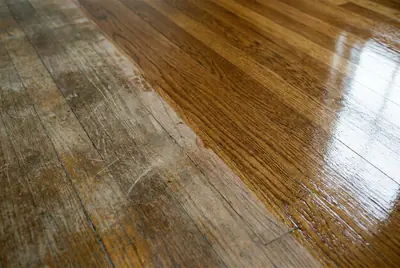
Refreshing your tired interior flooring in Clay County requires removing the damaged top layer without creating a massive mess in your living space. This specialized technique buffs away scratches and dullness while keeping your home air clean and free of sawdust particles. You achieve a beautiful transformation while saving significant time and effort compared to traditional heavy sanding methods.
The magic behind the smooth surface
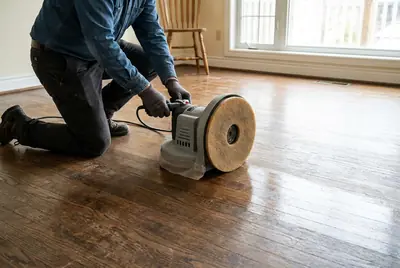
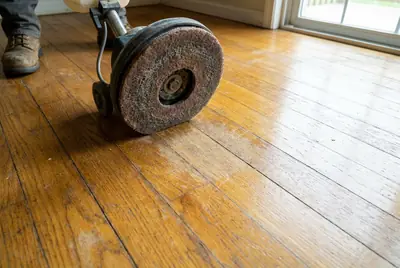
Working on your floors involves using high-speed machinery that gently abrades the existing finish rather than removing thick layers of solid wood. Because this process avoids deep cuts, your boards maintain their thickness and structural integrity for many years to come. That preservation saves you money because you avoid the high costs of replacing perfectly good lumber that just needs a little love.
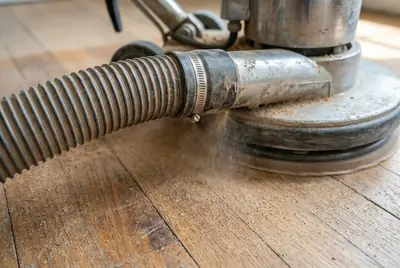
Furthermore, this method keeps your home environment free from thick layers of grime that usually settle during renovations. Traditional grinding creates clouds of debris that infiltrate your vents, furniture, and curtains for weeks. Choosing this cleaner path means you spend less time scrubbing after the work ends, which brings immense relief to anyone sensitive to dust or allergens.
Why professionals use specific equipment
Advanced mechanical buffers use specialized pads designed to strip off old polyurethane without harming the raw grain underneath. These tools rely on precision to ensure the surface stays level and perfectly smooth during the entire procedure. You get a result that looks brand new because the equipment acts with consistent pressure across every square inch of your room.
Table of surface preparation methods
| Feature | Dustless Refinishing | Traditional Sanding | |
|---|
| Debris level | Extremely low | Very high | |
| Wood loss | Almost none | Significant | |
| Time required | Very fast | Lengthy | |
| Finish quality | Smooth and uniform | Uniform but dusty | |
Benefits of choosing this modern approach
Opting for this technique lets you stay inside your house while the work happens since you do not have to worry about toxic particles lingering in the air. Most jobs finish in a fraction of the time required for complete restoration, which means you get your rooms back sooner. This efficiency provides great flexibility for your busy schedule without causing major disruptions to your daily routine.
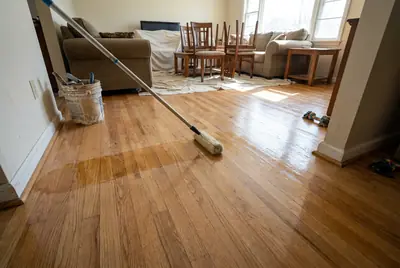
Another advantage is that you avoid the harsh chemical smells associated with stripping agents used in older methods. You get a fresh layer of protection that shields the organic material from spills, high traffic, and everyday wear. That toughness saves you money by extending the life of your floors indefinitely, keeping your home looking bright and well maintained.
Planning your floor restoration project
Checking your current finish helps you understand if this process fits your specific situation in the local area. A professional should verify that your boards are not warped or deeply gouged because this surface treatment works best on cosmetic blemishes. You deserve an honest assessment that points you toward the right solution for your specific wood type and current wear levels.
Finally, you should always request a written estimate to understand exactly how the project will unfold in your home. Looking for a licensed and insured technician ensures that the work follows regional safety standards and local building codes. When you feel ready to start this improvement, describe your project details to get a free, no obligation quote from a local pro near you.