Revitalizing your worn wood surfaces without the messy dust
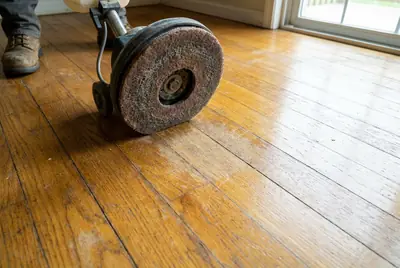
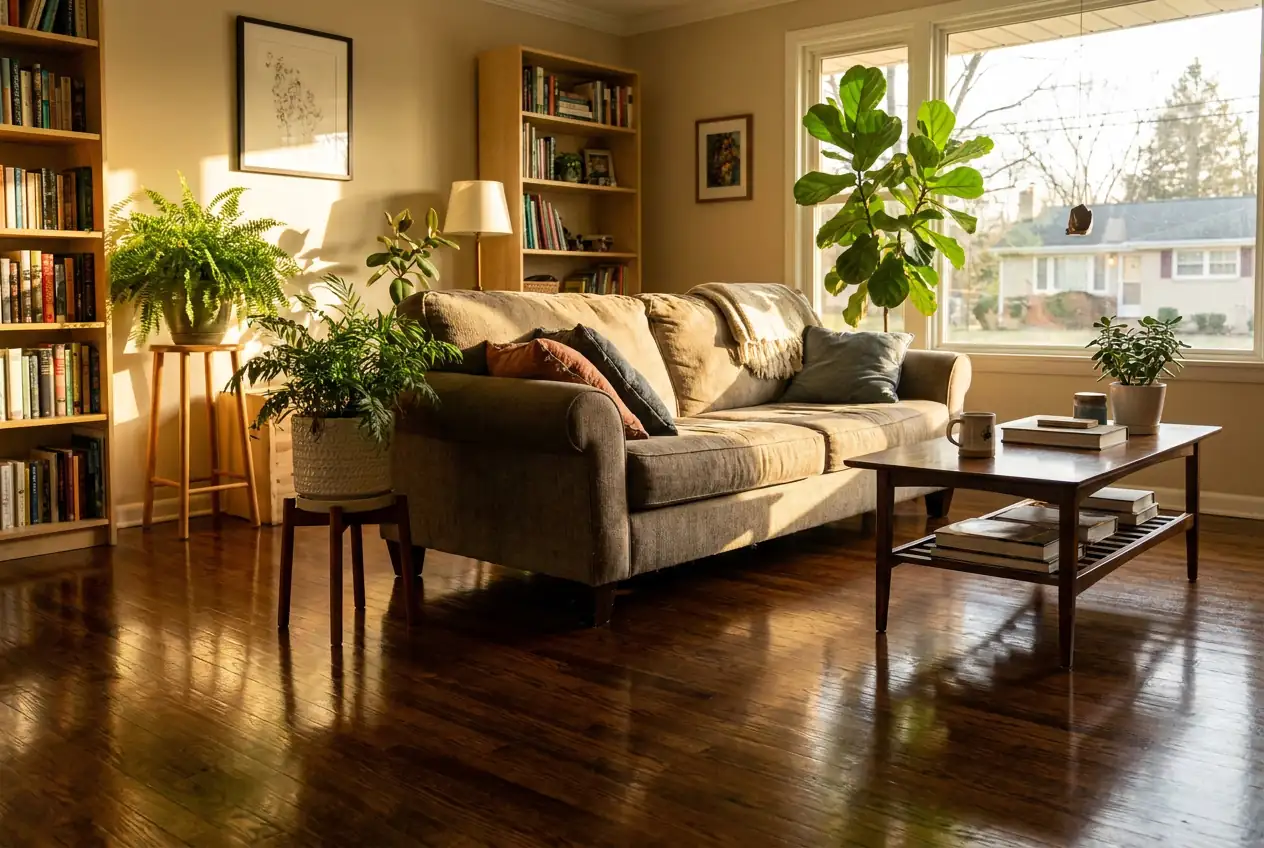
Sandless hardwood floor refinishing in Dubuque County lets you restore the shine to your worn boards without the typical dust cloud that usually coats your entire home. This efficient method uses specialized chemical etching to prepare the wood surface, which means you avoid the heavy equipment that strips away layers of precious material.
Understanding the process of chemical wood renewal
This restorative approach focuses on removing the dull top coat while keeping the structural integrity of your floor completely intact. Because no actual sanding occurs, you do not have to worry about the microscopic particles settling on your curtains or inside your air vents. That keeps your living space clean and saves you from the exhaustive deep cleaning that often follows traditional sanding projects.
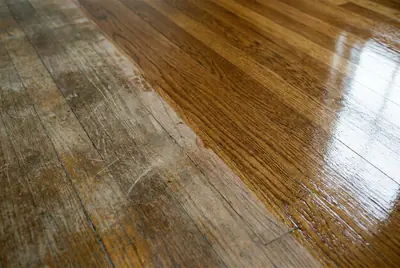
Furthermore, this technique works wonders on surface scratches and minor scuffs that make your home look tired. The process involves a thorough cleaning followed by the application of a high-performance bonding agent and a fresh top coat. This setup creates a durable finish that resists future wear while giving your interior a renewed and vibrant look that feels quite refreshed.
Why this method fits your busy lifestyle
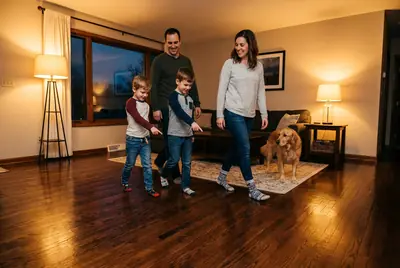
Choosing this path allows you to bypass the long wait times associated with traditional heavy renovations. Since the process creates minimal mess, you can typically return to walking on your floors within a very short timeframe. Which means you can plan your day without needing to find another place to stay while the work happens.
Additionally, this solution acts as a cost-effective way to preserve the beauty of your wood for many more years to come. By opting for this, you protect your investment from deeper damage like moisture penetration or wood rot. That brings you great peace of mind and keeps your home looking sharp and tidy.
Comparing traditional sanding with the no-sand approach
| Feature |
Traditional Sanding |
Sandless Method |
| Dust creation |
Heavy and widespread |
Virtually none |
| Material removal |
Significant wood loss |
Zero material loss |
| Project duration |
Several days |
Usually one day |
Traditional sanding removes a thin layer of the floor, but the no-sand method relies on chemical adhesion for a smooth surface. This distinction helps you save money by extending the life of your floors instead of wearing them down through repeated aggressive grinding. You get to maintain that natural wood aesthetic without the headache of a massive renovation project.
How to identify the right professional help
Seeking out a local pro who specializes in this specific trade is your best bet for a high quality result. When you reach out to someone in the area, make sure to ask if they use low-VOC products to keep your indoor air quality healthy and safe. A skilled technician will always discuss the current state of your finish before promising any specific outcome.
Also, verify that the professional has the proper insurance coverage and follows local standards for handling chemical materials. Ensuring they are fully licensed shows that they take their trade seriously and respect your property. This simple step ensures that the person entering your home is prepared to handle the task with care and precision.
Finally, confirm that you will receive a clear, written estimate that outlines exactly what the work includes. A solid pro will happily explain their surface preparation techniques and provide a detailed timeline. Once you feel comfortable with their approach, simply describe your project details to request a free quote and get your floors back to their former glory.