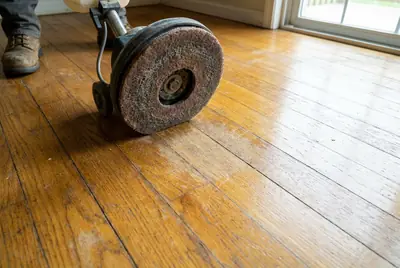
Reviving your worn wooden floors without the dusty mess
Renewing your worn wooden floors without the heavy sanding process saves you days of deep cleaning and keeps your home atmosphere clear of fine debris. This method uses a specialized chemical abrasion technique that scuffs the existing finish just enough for a new coat to bond perfectly to the surface. It provides the durable protection you need to keep your living spaces looking fresh and new.
Understanding the chemical abrasion process
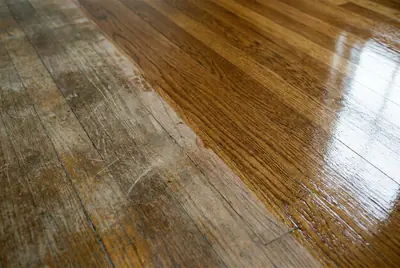
Instead of grinding down the actual timber with heavy machines, this method focuses entirely on the top layer of polyurethane. That approach removes only the dull surface scratches while keeping the structural integrity of your boards intact for many years. It is a fantastic way to restore that initial glow without the overwhelming clouds of dust that typically haunt traditional renovation projects.
Furthermore, this technique works wonders if you want to skip the intense labor of emptying every room in your house. Because the process avoids aggressive sanding, you avoid the risk of thinning out the wood or creating uneven ridges. This means your floors retain their original depth and character while gaining a fresh layer of resilient topcoat that resists everyday wear and tear.
Why this service suits your lifestyle
Selecting this path gives you a significant advantage because it minimizes the disruption to your daily routine in the heart of Franklin County. You get to enjoy a faster turnaround time compared to full sanding, which often keeps you out of your rooms for a week or more. It represents a smart choice for those who value efficiency and want a beautiful result without the usual renovation headache.
Another benefit involves the environmental impact of skipping the heavy machine work. Since no wood is shaved off, you save the natural resources of your floor while avoiding the headache of disposing of bags filled with fine particles. That leaves your indoor air quality in a much better state, and the lack of noise makes the whole experience feel like a quiet transformation for your residence.
Choosing the right professional for the task
Identifying a high quality service provider in this region requires checking for specific traits that ensure a job well done. You should look for a licensed and insured installer who understands the local climate and how humidity changes affect timber movement. Asking for a written warranty provides you with a sense of security, which is a great way to ensure the quality of the finish stays top notch.
Table: Comparing restoration methods
| Feature | Sandless Process | Traditional Sanding | |
|---|
| Dust levels | Very low | Very high | |
| Time required | One to two days | Several days | |
| Wood loss | None | Minimal to moderate | |
| Suitable for | Surface wear | Deep gouges | |
Checking if the crew follows best practices for low odor finishes is another smart move for your household. You should prioritize teams that use low VOC products, which helps maintain the pleasant indoor environment you expect. Always confirm that they can handle the specific type of planks you have, whether it is solid oak or an engineered variant, to ensure the chemical bond works effectively.
Planning your floor restoration project
Starting this project involves evaluating the current condition of your boards to see if they are candidates for this specific procedure. If your finish looks faded or has light scuffs but no deep gouges into the raw wood, you are likely a perfect candidate for this service. This is the ideal time to reach out to local pros to request a free quote and discuss the specific needs of your flooring.
Taking the next step is straightforward once you have a clear picture of what your floors need. You simply describe your project details to the local professionals and ask for an estimate tailored to your space. This low pressure approach lets you compare your options and find the right match to bring back the vibrant wood appearance you love.