Renewing your worn timber floors without the dusty mess in Fruit Cove
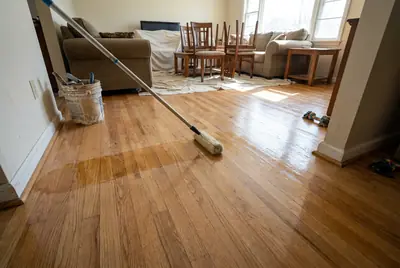
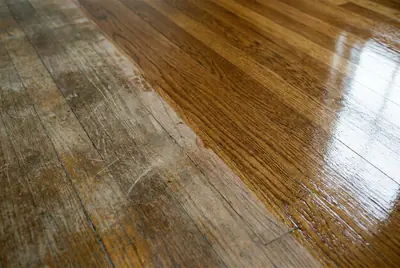
Restoring the luster of your wooden walking surfaces is possible without sanding away layers of precious material. This process focuses on abrading only the top finish to prepare the surface for a fresh coat of high-quality sealant. You gain a rejuvenated look in your home while keeping the air clean and avoiding the typical sawdust nightmare found in traditional sanding projects.
Understanding the process of surface renewal
Technicians start by cleaning the surface thoroughly to remove any wax or debris that might interfere with the new finish. This deep scrubbing acts as a primer for the wood. Which means you can expect the new protective layer to bond perfectly with the existing substrate for long-term durability.
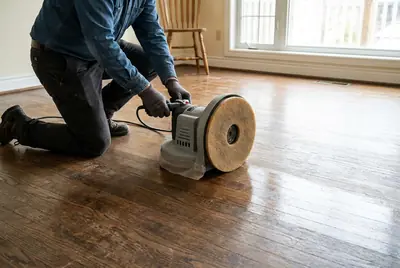
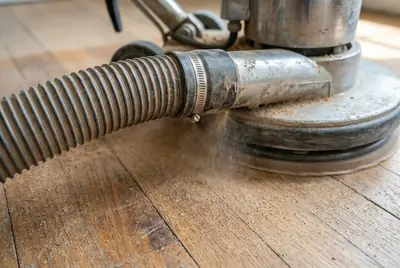
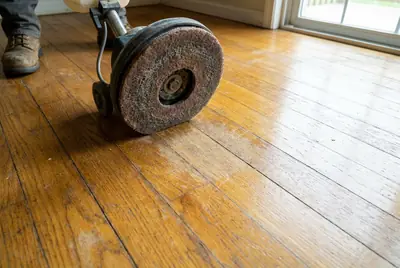
After the cleaning phase, a specialized machine lightly buffs the top layer of the old finish to create a microscopic texture. This mechanical etching allows the new coating to adhere tightly to the floor boards. Because it avoids deep sanding, you never lose the structural thickness of your beautiful timber planks.
Why this method works for busy households
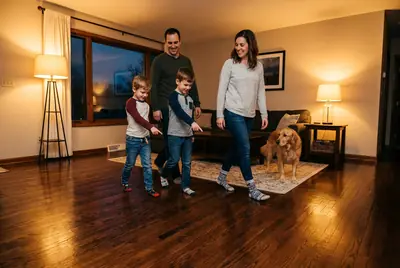
Opting for this technique is ideal for families who want to avoid the heavy renovation dust that often permeates every corner of a house. Since no sanding occurs, your furniture and air ducts remain free from fine particulate matter. That keeps your living space healthy and prevents the need for an intensive post-project cleaning session.
This approach is remarkably fast compared to standard refinishing jobs that require heavy equipment and lengthy drying times. You often find that the space is ready for regular use much sooner than anticipated. Such efficiency makes it a fantastic choice for the fast-paced lifestyle of residents in the Saint Johns County area.
Selecting the right finish for your home
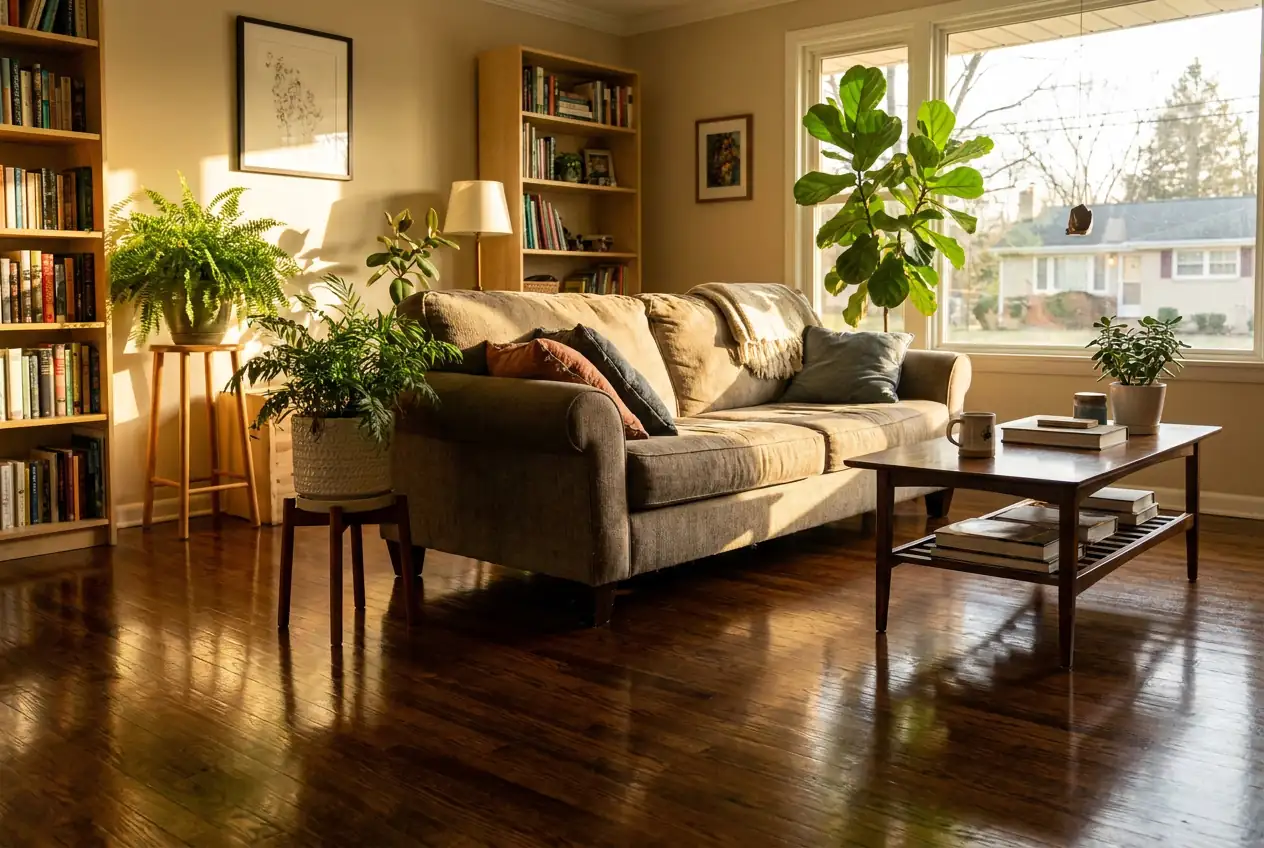
Matching the sheen of your floor to your interior style influences the final result significantly. Satin, semi-gloss, and high-gloss options offer different levels of light reflection. Choosing a matte or satin finish often hides minor imperfections better, which helps you maintain a pristine look even in high-traffic areas of your property.
| Benefit |
Feature |
| Minimal cleanup |
No heavy sanding |
| Faster turnaround |
Advanced buffing systems |
| Longer lifespan |
Quality protective sealant |
Evaluating the condition of your wood surfaces
Checking your floor for deep scratches or gouges is essential before booking any service. This light restoration method works wonders on surface wear, but it cannot fix structural damage or deep dents. If your wood has lost its color or has water spots that go beyond the finish, you might need a more invasive sanding procedure.
Talking to a skilled professional helps you determine if your floors are suitable for this non-invasive approach. You should always ask about the specific products they plan to use and their process for applying the protective topcoats. A pro who knows the local climate will recommend sealants that withstand the humidity common in this part of Florida.
Preparing your home for the restoration
Clearing the furniture from your rooms ahead of the arrival of the crew ensures a smooth and quick workflow. You can also take this time to remove any area rugs or wall hangings that might get in the way. That extra bit of preparation allows the team to focus entirely on the delicate task of reviving your floors.
Asking for a free quote allows you to understand the costs and scope before committing to any work in your home. You should ensure the person providing the service carries proper insurance and understands the specific needs of your floor type. Simply describe your project online to receive a competitive offer from a local pro today.