Revitalizing your worn wood surfaces without the mess
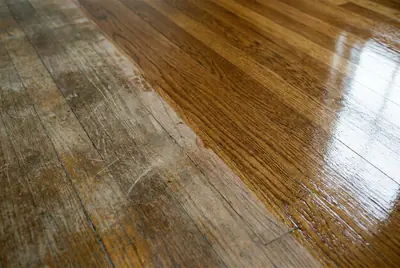
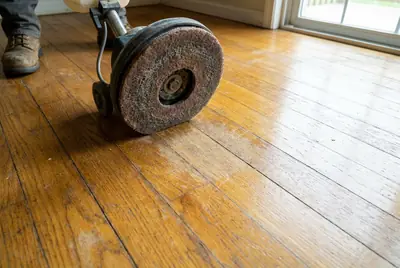
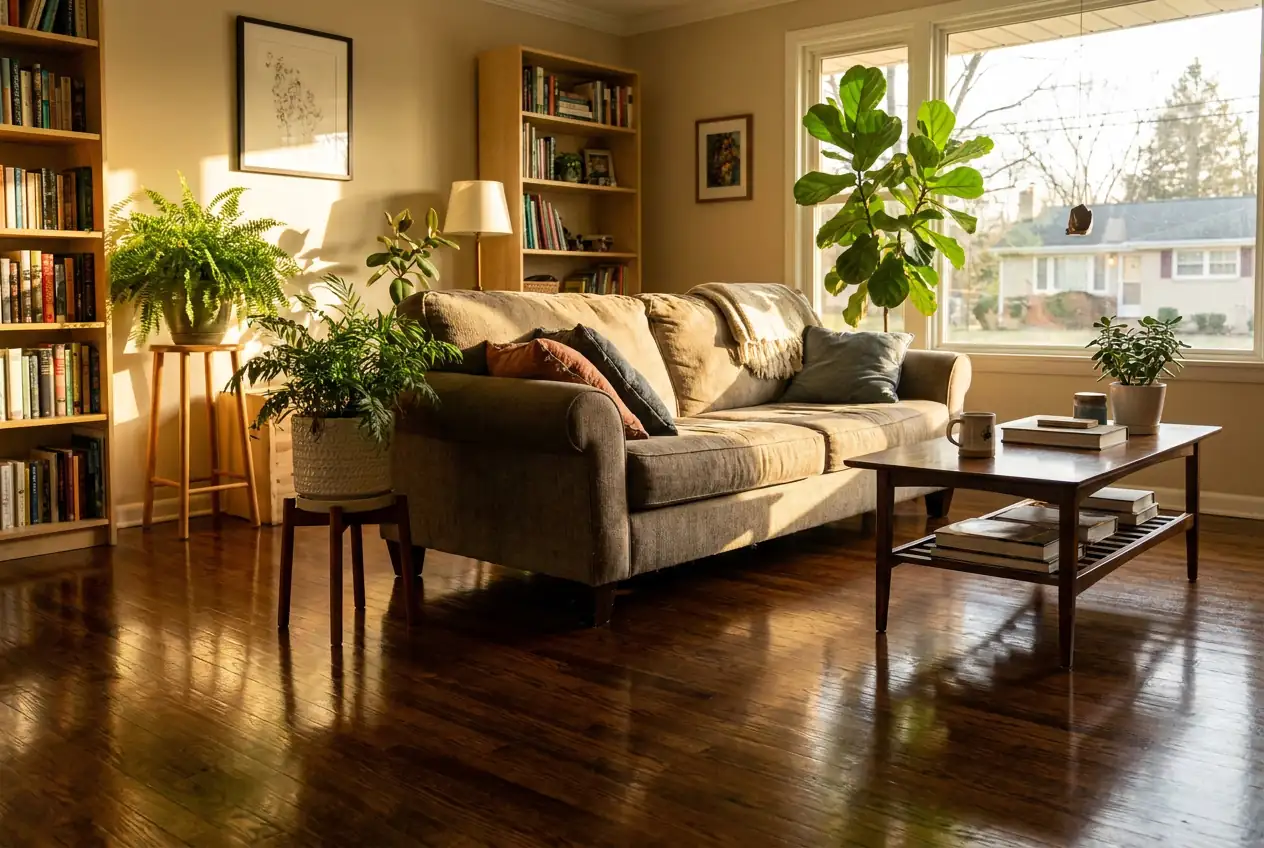
You can restore the beauty of your aging timber floors in Jefferson County without enduring days of thick dust or toxic chemical fumes. This modern approach targets only the top protective layer to prepare the wood for a fresh coat that brings back its natural glow. Choosing this method lets you revitalize your living space while avoiding the massive cleanup usually required by heavy sanding machines.
Why this process works for your home
Typically, standard floor sanding strips away precious wood thickness until your boards grow thin and brittle over time. This gentle abrasion technique removes only the scuffed finish while leaving the structural integrity of your planks completely untouched. Because it avoids aggressive mechanical grinding, you prevent the risk of uneven dips or deep scratches appearing across your floors.
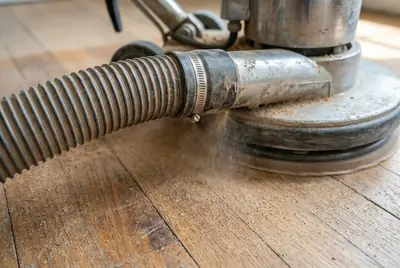
Moreover, the absence of airborne particles means you do not have to worry about fine dust coating your curtains or settling inside your air vents. That specific benefit keeps your indoor environment much cleaner while the work happens. You also save significant time because the entire project often finishes in a single day compared to traditional methods that take an entire week.
Key aspects of the surface rejuvenation
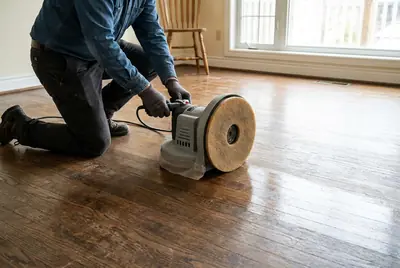
Refining your wood planks involves using specialized machines that lightly abrade the existing seal to create a bond for new protective layers. This step ensures that the fresh coat adheres perfectly to the wood for a long-lasting and durable result. You gain a rejuvenated look that resists daily wear without needing to move every single piece of heavy furniture out of the room.
However, keep in mind that this process works best on floors with light to moderate surface damage rather than deep structural gouges. If your boards have large holes or dark water stains that have penetrated the grain, you might need a different approach to address those specific issues. Checking for these signs helps you decide if a simple surface refresh or a full restoration fits your current needs.
| Benefit |
Outcome |
| No heavy sanding |
Preserves board thickness |
| Dust-free process |
Cleaner living air |
| Faster turnaround |
Less disruption to life |
| Low chemical use |
Better indoor health |
Choosing the right professional help
Finding a skilled worker who understands the nuances of local timber requires asking the right questions before you start. You should prioritize hiring someone who holds a valid license and carries full insurance to protect your property during the task. Asking for a written work warranty ensures that you have coverage if the finish does not cure correctly or starts to peel prematurely.
Furthermore, a top-tier pro will explain their buffing technique and show you which durable sealants they plan to use on your specific wood species. Because every home in the region has unique needs, you want someone who adjusts their approach based on the current state of your floor. This level of attention creates a smooth satin finish that elevates the entire vibe of your home.
Steps toward a fresh floor
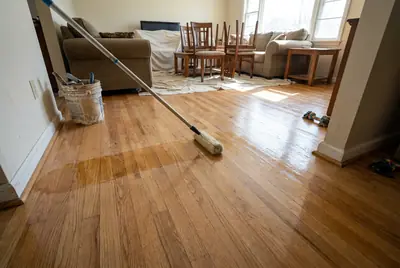
Initially, you must clear the area of small items and vacuum the surfaces to prepare for the crew. Then, the technician uses dustless equipment to gently abrade the top layer of the old finish. This quick prep work allows for the rapid application of a new protective polyurethane layer that keeps your floors looking pristine for years to come.
Finally, you should reach out to local pros to discuss your specific square footage and the type of wood you currently have installed. Requesting a free quote gives you an accurate idea of the project scope and costs without any pressure to commit right away. Taking this small step now brings you closer to enjoying beautiful and refreshed flooring in your own home.