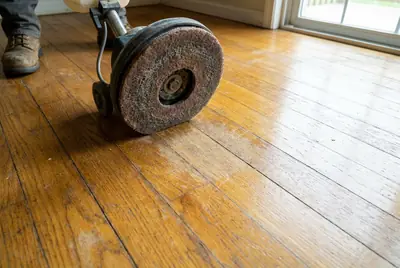
Revitalizing your worn timber surfaces without the dust
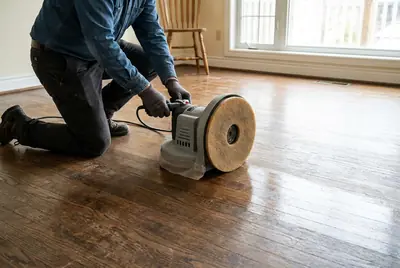
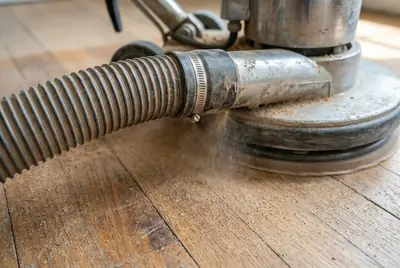
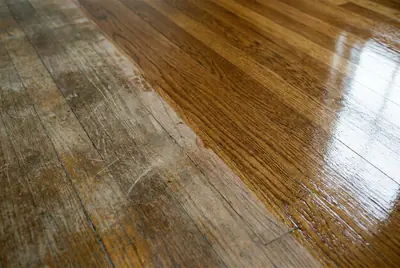
Restoring your wooden flooring in Lawrence County involves removing the thin top layer of finish to reveal a fresh surface underneath. This process keeps your living space clean by avoiding the massive clouds of debris that traditional sanding creates. You get a beautiful shine back on your boards while keeping your home air quality high.
Why skipping the heavy sanding makes sense
Traditional methods often require massive machines that strip away deep layers of your natural timber. That aggressive approach removes significant material which can eventually shorten the lifespan of your planks. Instead, this modern technique focuses solely on the protective clear coat layer that has dulled over time.
Because this method avoids deep abrasion, you preserve the structural integrity of your floor for much longer. That extra thickness provides a sense of peace since you avoid thinning out your precious wood. Plus, your family stays away from the heavy grit that usually settles on every surface of the house.
Understanding the process of surface renewal
First, the technician cleans the floor thoroughly to remove any wax or grime buildup. Next, a specialized chemical or light mechanical scrubbing prepares the top layer to accept a new bond. This creates a perfect surface for the fresh protective coating to adhere to, which results in a long lasting and durable finish.
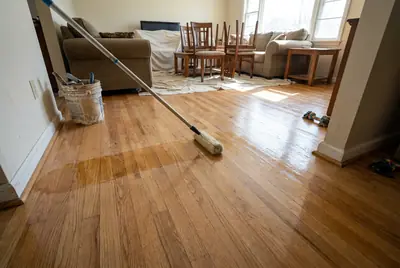
Following the preparation, a high grade sealant is applied to protect the wood from future scratches. This liquid barrier acts as a shield against the daily foot traffic in your local area. The end result is a revitalized appearance that adds a sense of ease to your interior maintenance routine.
| Benefit |
Outcome |
| No thick dust |
Cleaner air quality |
| Less abrasion |
Longer floor life |
| Quick turnaround |
Less home disruption |
Evaluating the condition of your floor
Sometimes the wear has reached the raw wood itself, which might require more than just a surface treatment. You should inspect your planks for deep gouges or dark stains that sit below the current finish. If the damage is purely cosmetic on the top layer, this gentle method provides the ideal solution for your needs.
However, if your floor shows signs of structural rot or deep splintering, you must consult a professional for a deeper assessment. A licensed pro knows how to distinguish between a simple refresh and a full restoration. That knowledge saves you from spending money on a treatment that might not be enough for your specific situation.
Selecting your service provider in the region
When looking for someone to help, you should always check for a valid license and proper insurance. These documents prove that the person handling your flooring takes their craft seriously and carries the right protection. Also, ask for a written warranty on the materials and the labor before starting any work.
Moreover, a local professional who understands the climate in the area will know exactly which products work best. High humidity can affect how finishes dry, so having a pro who knows the local environment is a major plus. Once you find a reliable person, simply request a free quote to start your project.