Reviving your aged wooden floors without the usual dusty mess
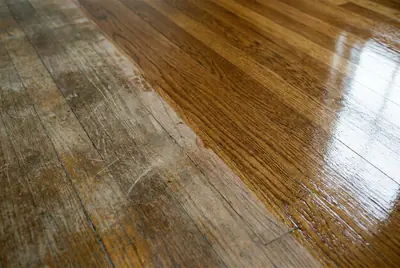
Renewing your worn timber planks through a dust-free abrasion technique restores their natural glow without the heavy sanding that fills your home with fine particles. This efficient process removes only the damaged surface layer, which lets you achieve a smooth finish while preserving the structural integrity of your boards.
Understanding the mechanical process of wood surface renewal
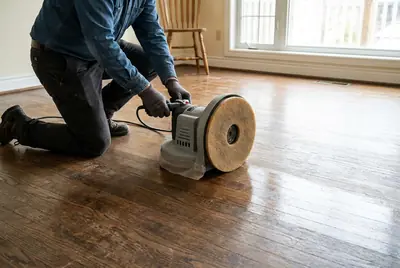
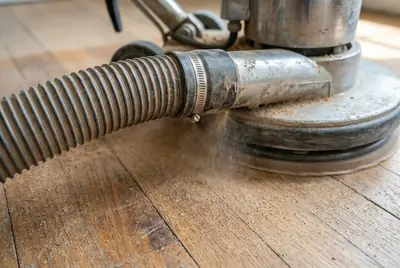
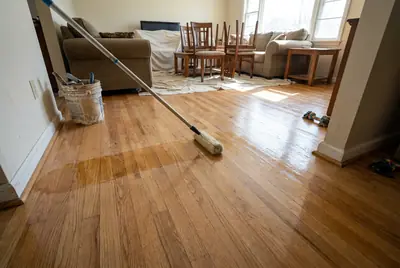
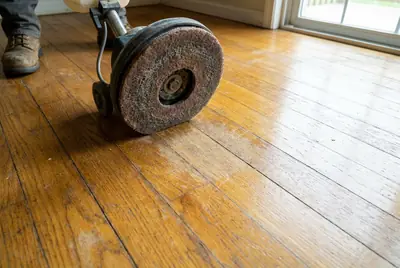
Modern floor restoration uses specialized buffing machines equipped with fine abrasive pads to scratch the top layer of old polyurethane. This light scrubbing action removes stubborn scuffs and minor scratches, providing a clean surface that readily accepts a fresh coat of protective finish.
Because the procedure skips the deep sanding phase, you avoid the cloud of debris that typically forces you to pack up your kitchen and seal every doorway. That means your daily routine stays mostly intact while your living space gains a fresh look.
Why this method fits your home perfectly
Choosing this specific path keeps your indoor air quality stable, which saves you from the persistent irritation of drywall-like dust settling on your bookshelves. You get to keep the original patina of the wood, a feature that adds genuine character to your living space while boosting the total appeal of your property.
Besides keeping things tidy, the process works surprisingly fast compared to traditional sanding. Since the machines stay on the surface, you minimize the risk of thinning out your floors, which ensures your planks last for many more decades of heavy foot traffic.
Key benefits of choosing a cleaner restoration
| Feature | Primary Benefit | |
|---|
| Dust-free operation | Cleaner living space | |
| Less surface removal | Longer floor lifespan | |
| Rapid turnaround | Faster room access | |
| Minimal material loss | Lower environmental impact | |
Using this system provides a cost-effective upgrade for your property in Sevier County without the headache of a massive renovation project. When you select this route, you invest in the long-term value of your home by protecting the underlying grain from moisture and daily wear.
When to avoid the surface-only approach
Although this method works wonders for light surface scratches, it cannot hide deep gouges or structural warping that penetrate the wood fibers. If your planks have water damage or discoloration that goes beyond the finish, you might need to reconsider whether a partial renewal is enough for your specific situation.
However, a qualified local professional will easily spot these limitations and help you decide the best way forward for your unique floors. Talking to a pro early prevents wasted effort and ensures you get the exact results you want for your interior design goals.
Taking the next step for your floors
Planning your floor upgrade starts with knowing exactly what your timber needs to shine again. If you feel ready to see how a refreshed surface changes the mood of your residence, simply reach out to local experts who provide a free estimate and ask about the best approach for your specific square footage.
Requesting a quote today connects you with people who understand local wood types and the best techniques for our regional climate. Obtaining a no-obligation assessment puts you in the driver seat, allowing you to compare options and pick the best surface treatment for your beautiful home.