Reviving your aged wood floors without the dusty mess
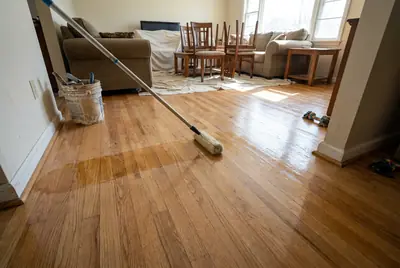
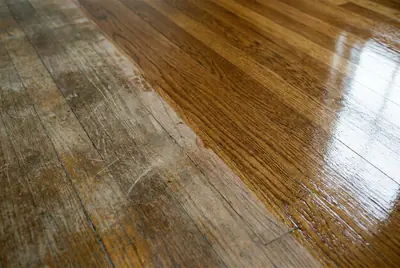
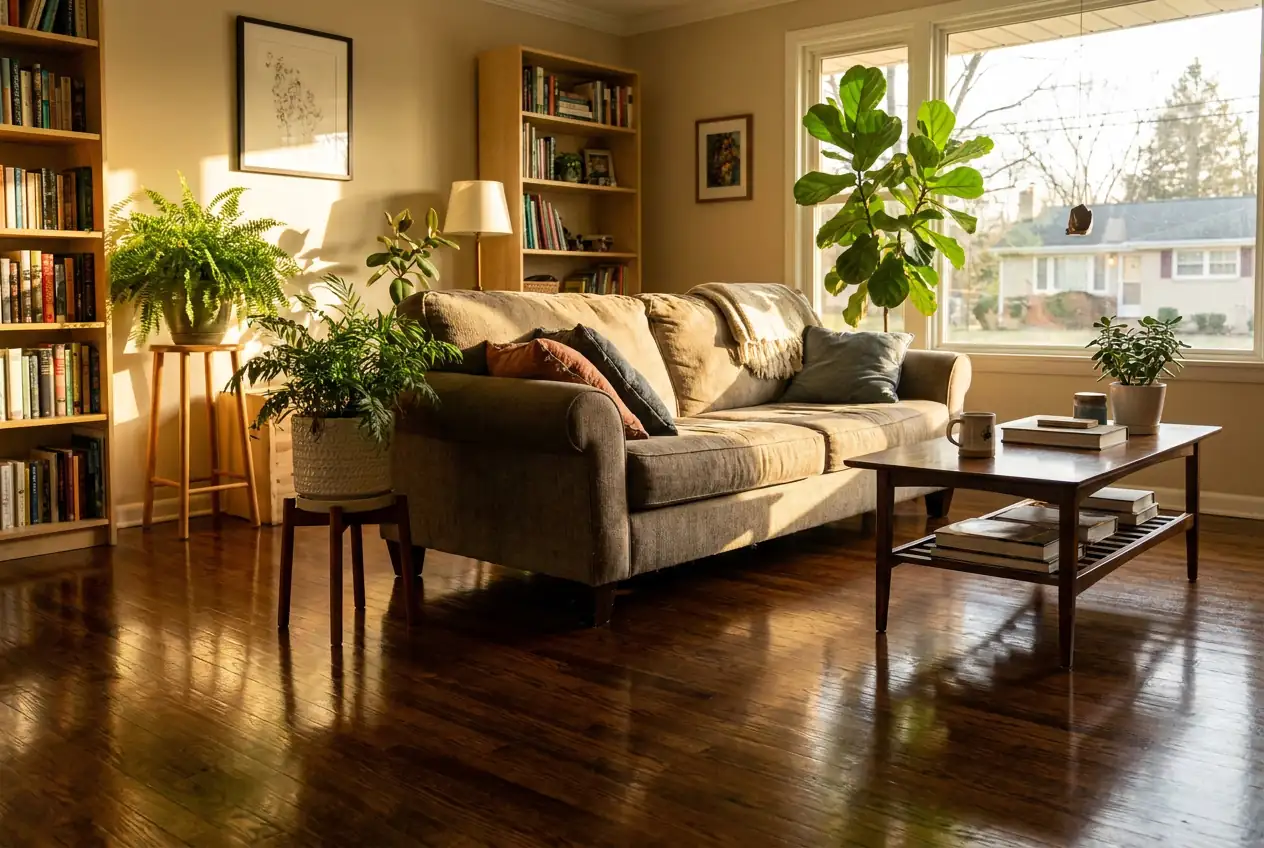
Renewing your timber floor surfaces in Shawano County allows you to restore that deep sheen without removing layers of solid planks. This specific process involves abrading the existing top finish and applying a fresh coat of protective sealant to refresh your home. You save time and keep your air clean by skipping the heavy sanding machines that usually fill a house with floating particles.
Why choosing a dust-free method helps your household
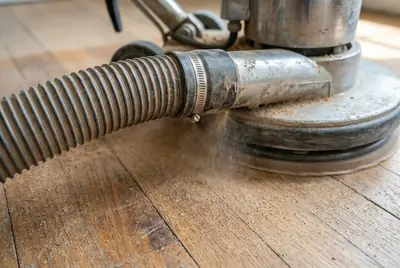
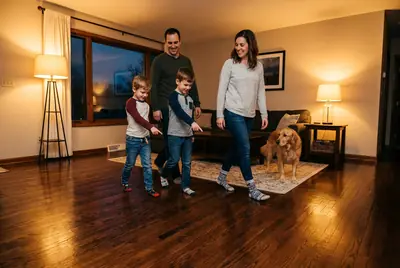
Conventional restoration methods often send fine particles into your vents and drapery which ruins your indoor air quality. Choosing a sandless wood restoration approach eliminates this headache because it traps residue instantly during the buffing stage. That means you can keep your furniture in the room while the work happens without worrying about a thick layer of grey grit on every surface.
Beyond the cleanliness, this technique preserves the structural integrity of your floorboards by keeping the wood thickness intact. Older homes around here often feature gorgeous original planks that become dangerously thin after repeated aggressive sanding sessions. Opting for a gentle surface treatment acts as a shield that prevents future wear while avoiding the structural risks of traditional sanding.
Understanding the process of surface renewal
First, a pro assesses the current state of your finish to ensure it remains a good candidate for this light intervention. They then use a chemical agent to deep clean the surface of all wax, oil, and grime buildup. This prep work prepares the wood fibers so the new protective layer bonds tightly to the surface for a long-lasting result.
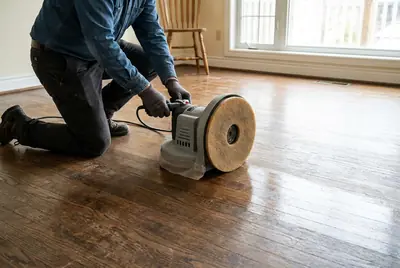
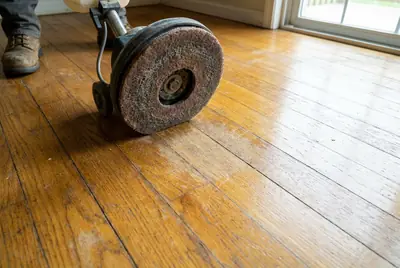
Next, the technician performs a mechanical abrasion using specialized equipment that buffs the existing finish to a matte state. This creates a surface texture that holds the new sealant firmly in place. Because you avoid grinding down to the raw wood, the entire project finishes in a fraction of the time compared to full sanding.
Comparing your surface maintenance choices
| Feature | Sandless Refinishing | Traditional Sanding | |
|---|
| Dust output | Near zero | Very high | |
| Time required | One day usually | Multiple days | |
| Structural impact | Minimal | Significant removal | |
| Best for | Surface scuffs | Deep gouges | |
Choosing the right approach depends on whether your floor has surface scratches or deep structural damage. If your boards have minor wear, the surface abrasion method offers a high level of relaxation and ease for your daily routine. However, deep gouges reaching the raw wood might require a full restoration to get a perfectly smooth look.
Essential steps before you begin
Before committing to a service provider, you should verify they carry active insurance to cover any accidental bumps against your baseboards. A licensed and insured professional will also understand the specific humidity levels in the Wisconsin climate, which can affect how quickly the new finish cures. Always ask to see a written breakdown of the costs to avoid surprises.
Confirming the type of sealant used is also vital for the longevity of your newly polished floor. Some finishes require a longer drying period before you can walk on them with heavy footwear or move your heavy appliances back. Knowing these constraints upfront helps you plan your schedule so the process does not disrupt your week.
Maximizing the life of your timber surfaces
Maintaining your floor after the treatment is simple if you use the right cleaning products recommended by the pros. Avoid harsh chemicals that strip the finish or leave a cloudy residue on the sheen. Using soft felt pads under your chairs and tables helps you prevent new scratches from appearing.
Regular maintenance protects your investment and keeps your home looking sharp for many years to come. If you notice the shine beginning to fade again, you can easily schedule a fresh coat to stay ahead of the wear. Ready to see your floors look brand new again? Describe your project today to get a free quote from local pros in the area.