Revitalizing your worn wood surfaces in Shenandoah County
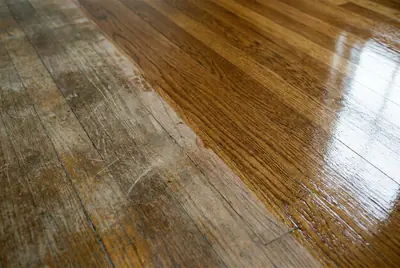
Restoring the luster of your wooden walking surfaces without creating a massive dust storm is entirely possible through modern abrasion methods. This process removes the dull top layer of your finish to prepare for a fresh coat that brings back that original richness. You save time and money by skipping the heavy sanding phase entirely.
Understanding the process
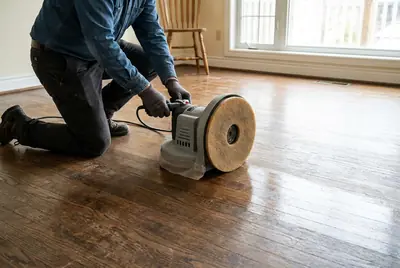
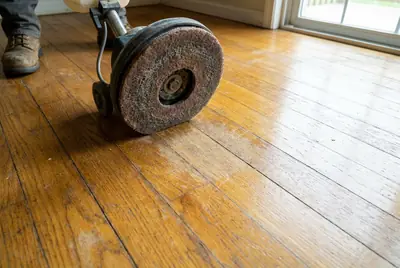
Rather than grinding down the wood, a specialized machine gently scuffs the existing polyurethane or wax coating to create a mechanical bond for new sealant. This prevents the thinning of your actual floorboards which keeps them structurally sound for many decades. That means you avoid the typical mess associated with traditional heavy machinery and thick layers of airborne particles.
Because this method avoids deep wood removal, your home stays much cleaner during the renewal of your hardwood flooring. That efficiency allows you to enjoy your refreshed spaces sooner than you expected. You will find that this approach is perfect for surfaces that have lost their shine but remain otherwise healthy and free of deep gouges or structural damage.
The benefits of choosing this method
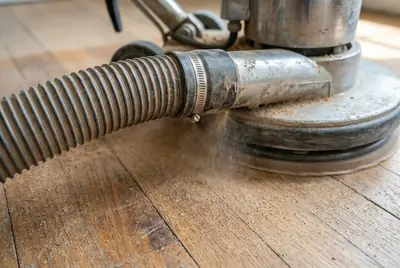
Reducing the amount of airborne debris is the biggest advantage for your household air quality during the project. Unlike standard sanding that requires plastic sheeting over every single cabinet and shelf, this process focuses on the very top microns of the finish. That simple fact protects your delicate decor while still delivering a durable finish that holds up to daily foot traffic.
Furthermore, the lack of intense dust prevents the common headache of finding grime in your vents and light fixtures weeks after the work ends. You gain a beautiful, refreshed look without the massive cleanup that usually follows such projects. Which is why many homeowners in the area prefer this low-impact route for their home maintenance needs.
Why this approach fits local homes
The climate in this part of Virginia often causes wood to expand and contract, making the integrity of your original boards quite precious. Keeping as much of the natural grain intact as possible ensures that your floors continue to respond well to seasonal humidity changes. This method is essentially a non-invasive restoration that preserves the physical substance of your home.
| Comparison | Traditional Sanding | Modern Scuffing | |
|---|
| Dust Levels | Very High | Minimal | |
| Wood Loss | Significant | Negligible | |
| Cleanup Time | Extensive | Very Fast | |
| Project Cost | Higher | Budget Friendly | |
Choosing this path protects your long-term investment by avoiding unnecessary thinning of the tongue and groove connections. That makes the entire process a smart move for anyone looking to increase their property value. You get a refreshed, pristine wood look without the aggressive removal of material that characterizes older, more destructive renovation techniques.
How to get started today
Finding a qualified professional who handles these specific techniques is the first step toward transforming your living space. Look for someone in the county who understands the nuances of local wood types and provides a transparent quote for the entire job. You should always ask for proof of insurance and a clear description of the materials they plan to use.
Checking their readiness to provide a written estimate helps you plan your budget without any surprise costs appearing later. That clarity ensures you feel confident about the quality of the floor renewal before the crew even arrives. Once you are ready to see those boards shine again, describe your project details to request a free quote for your renovation.