Revitalizing your worn wood surfaces in Smith County
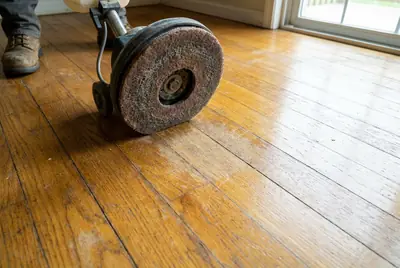
Restoring your tired wooden floors without the usual mess involves a specialized abrasive process that peels away only the top protective layer. This technique saves your home from thick clouds of dust while keeping your existing boards perfectly intact for years of enjoyment.
Understanding the modern approach to floor maintenance
Removing the dull finish requires a light abrasion of the top coat rather than a deep cut into the raw wood. That specific approach keeps your original floor thickness stable and avoids thinning out the material. Which means you can keep your home looking sharp without compromising the structural integrity of your high-traffic walkways.
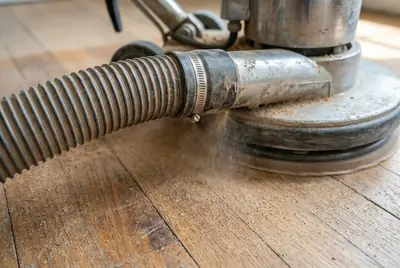
Because this method relies on chemical bonding and light mechanical scuffing, you avoid the heavy debris typical of traditional sanding projects. This clean process allows you to skip the tedious cleanup phase entirely. That lack of dust ensures your air quality remains pristine and your surfaces stay free from grit throughout the job.
Deciding on the best path for your timber floors
Choosing the right pro for this work means finding someone who respects the delicate state of your wood. A skilled individual should verify that your boards are thick enough for the process before starting the work. You must always confirm that the hired professional carries full liability coverage and understands how to follow local building standards.
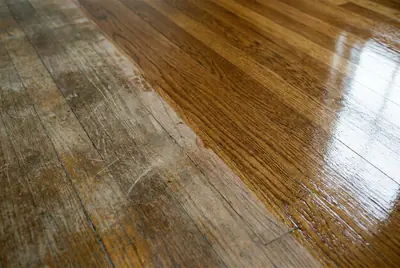
Evaluating the condition of your floor is essential before you commit to any aesthetic changes. If your boards have deep gouges or structural warping, this surface-only method might not be enough to reach the level of pristine floor restoration you desire. However, it works wonders for minor scratches and the typical fading that happens over time.
Comparing the traditional versus the newer options
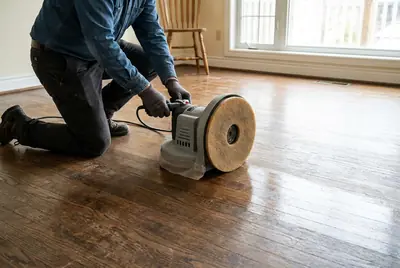
Traditional methods remove layers of wood until the surface reaches a flat plane. This aggressive style inevitably removes some of the original board material from your house. Conversely, the newer method targets only the protective surface sealant to refresh the look without subtracting any precious wood mass.
| Feature | Traditional Sanding | Modern Light Abrasion | |
|---|
| Material Loss | Significant | Minimal to None | |
| Cleanup Time | Extensive | Very Short | |
| Odor Levels | High | Low | |
| Cost Efficiency | Higher | Very Favorable | |
Benefits of skipping the heavy equipment
Avoiding heavy sanding machines protects your home from unnecessary vibration and noise. This quiet approach lets you continue your daily routine while the surface rejuvenation takes place right under your feet. That seamless flow keeps your household functioning normally while your floors get a fresh start.
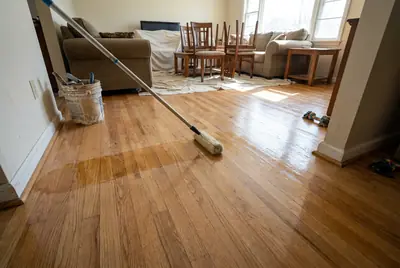
Furthermore, applying a new coat of durable floor finish immediately after the prep work bonds tightly to the existing structure. This chemical bond creates a superior barrier against future wear and moisture penetration. That protection ensures your investment stays looking brand new for a much longer time than a standard wax job.
Preparing for your project in the region
Focusing on the specific needs of your home in the area will yield the best results for your investment. Talk to your chosen specialist about the exact type of finish you prefer for your interior environment. You should also request a detailed written estimate that covers all phases of the project without any hidden fees.
Securing a fair price involves comparing the value of a quick refresh versus a complete overhaul. Requesting a free quote helps you understand the costs involved for your specific square footage. Simply provide the details of your project to get started on your path to beautiful, smooth, and renewed hardwood surfaces.