Reviving your aged wooden floors without the usual dust storm
Refreshing your worn floorboards in Worcester County avoids the massive cleanup of traditional sanding because the process only abrades the top layer. This method keeps your living space tidy while restoring that natural shine to your interior surfaces. You save time and money by avoiding a total renovation of your home flooring.
Why this dust-free method helps your home
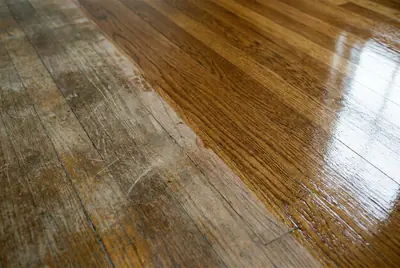
Typically, old timber surfaces start looking dull or scratched after years of heavy foot traffic. The abrasive process removes only the damaged finish instead of cutting into the deep wood grain. That lets you keep your original boards thicker and stronger for much longer.
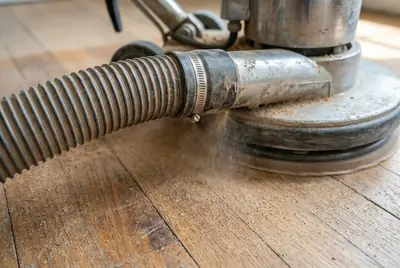
Because this technique creates almost no airborne particles, your ventilation systems stay clean throughout the work. Most homeowners prefer this because it removes the need to seal off rooms with plastic sheets. That brings a sense of ease of mind during the entire project.
Understanding the process of surface restoration
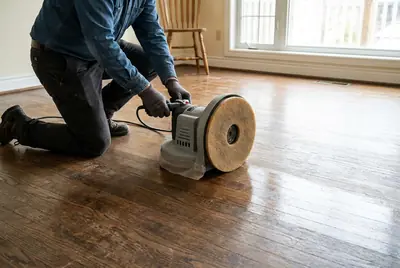
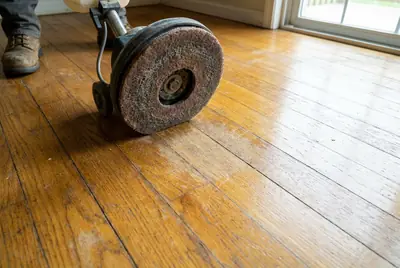
Instead of stripping the floor down to raw timber, the crew uses specialized machines to lightly scuff the existing coating. This step ensures the new layer of protection bonds tightly to the surface. It is a smart way to ensure long-lasting results without changing the floor height.
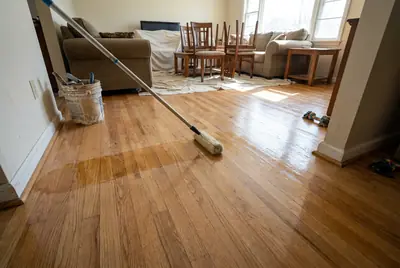
Moreover, the application of high-quality polyurethane seals the wood against moisture and spills. This barrier keeps your floors looking fresh even in high-traffic hallways. That means you get a durable shield that stops everyday wear and tear effectively.
Comparing traditional sanding with the modern alternative
Traditional methods often require you to vacate your house due to the massive volume of fine sawdust. By contrast, the sandless approach lets you sleep in your own bed the very same night. That is a major benefit for families who want to avoid the lack of serenity caused by major construction.
| Feature |
Benefit |
| Minimal dust production |
Clean air and easy cleanup |
| Surface abrasion only |
Preserves the wood grain depth |
| Quick turnaround time |
You regain use of your floor faster |
However, this method works best on floors that possess mostly light surface damage rather than deep gouges or structural warping. If you have significant water damage or pet stains that penetrated the grain, a different approach might be necessary. You should always consult with a professional to verify if your wood qualifies for this specific treatment.
Finding the right help around here
When you search for help in the area, look for someone who understands local building standards and uses professional equipment. A qualified professional should always be happy to provide a clear explanation of the expected outcome for your specific floor type. That gives you the peace of mind required before starting any home improvement project.
Additionally, checking for proper insurance and licensing provides a layer of safety for your property. You deserve a smooth process from start to finish without any unexpected surprises. That is why you should always ask about the specific products they plan to use on your floors.
Getting started with your floor upgrade
Planning your project starts with identifying the areas of your home that need the most attention. Perhaps the living room needs a boost or the hallway looks tired after years of use. That decision helps the local professional provide an accurate estimate for your needs.
Finally, the best way to move forward is to reach out and describe your specific wood floor situation to local providers. Simply fill out the request form to receive a free quote and get your project on the right track today. That simple step puts you on the path toward beautiful, revitalized surfaces that add true value to your property.